

- September 2, 2025
- Scarlet Plus
- Blog
When Overwhelm Fuels Disordered Eating: Understanding the Link Between Stress and Eating Disorders
GloFusion – Griffin, GA
Life in today’s fast-paced world leaves little room to pause. Work pressures, family responsibilities, financial worries, and social expectations can all build into a constant state of overwhelm. For many, this overwhelm doesn’t just impact mood—it spills into eating habits. Some people lose their appetite entirely, while others find themselves binge eating in search of comfort. Over time, these patterns can develop into eating disorders that harm both mental and physical health.
At GloFusion in Griffin, GA, we’ve seen how the weight of overwhelm is often the hidden driver behind disordered eating. Recognizing this connection is the first step toward compassion, healing, and healthier coping strategies.
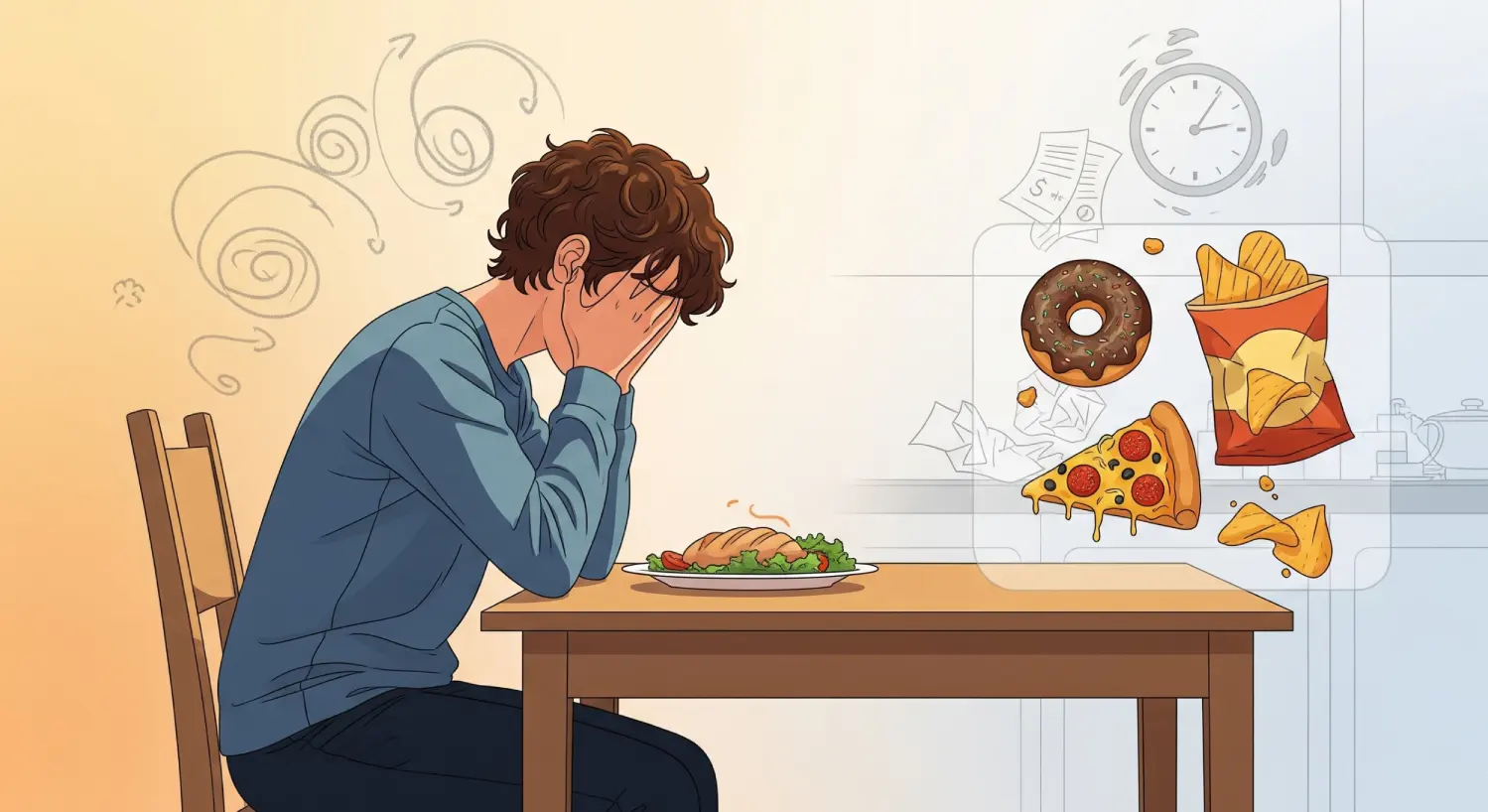
What Does Overwhelm Do to the Body and Mind?
Overwhelm is not just “being busy.” It’s the body’s stress response in overdrive. When the nervous system stays activated by constant demands, it triggers:
- Hormonal shifts (increased cortisol and adrenaline) that affect appetite and digestion.
- Sleep disruptions, leading to fatigue and poor decision-making.
- Cognitive overload, where even small choices feel impossible.
- Emotional strain, making food a source of comfort or control.
This combination makes eating patterns especially vulnerable to stress.
How Overwhelm Contributes to Disordered Eating
1. Loss of Appetite Under Stress
Some people experience decreased hunger during overwhelming times. Skipping meals can become a pattern, leading to malnutrition and conditions like anorexia nervosa.
2. Emotional Eating
Others turn to food for comfort. Stress-eating sugary or high-fat foods may temporarily soothe emotions but often leads to guilt and physical discomfort.
3. Binge Eating Episodes
Prolonged overwhelm can create cycles of restriction followed by overeating. These episodes are often hidden and tied to shame, characteristic of binge eating disorder.
4. Control Through Food
For individuals who feel powerless in other areas of life, controlling food intake can feel like the only area of stability. Unfortunately, this can lead to restrictive disorders such as anorexia or ARFID.
Recognizing the Warning Signs
Families and individuals should watch for signs that overwhelm is influencing eating behaviors:
- Rapid weight changes (loss or gain)
- Avoidance of meals or secretive eating
- Intense anxiety around food choices
- Physical symptoms (fatigue, dizziness, digestive issues)
- Emotional signs such as guilt, shame, or isolation
The Emotional Cycle of Overwhelm and Eating Disorders
At GloFusion, we see how overwhelm and disordered eating often feed into one another:
- Overwhelm triggers stress and emotional discomfort.
- Food becomes a coping mechanism—either avoidance or overindulgence.
- Guilt or shame follows, increasing emotional distress.
- The cycle repeats, deepening both overwhelm and disordered eating patterns.
Breaking this cycle requires understanding that eating behaviors are not just about food—they’re about emotional regulation and mental health.
Why Professional Support Is Critical
Many families try to manage eating changes on their own, but eating disorders are serious health concerns that require specialized care. Without intervention, they can lead to:
- Malnutrition and vitamin deficiencies
- Long-term digestive issues
- Hormonal imbalances
- Depression, anxiety, and social withdrawal
- Life-threatening complications in severe cases
How GloFusion Helps Patients in Griffin, GA
At GloFusion, we provide a holistic approach to treating overwhelm and eating disorders. Our services include:
- Comprehensive psychiatric evaluations to assess mental health and eating behaviors.
- Therapy that explores the emotional roots of disordered eating, including CBT and trauma-informed care.
- Medication management for co-occurring anxiety or depression.
- Nutritional guidance in collaboration with dietitians, focusing on balance rather than restriction.
- Family support and education so loved ones can provide effective encouragement.
- Telehealth appointments for accessible and private care.
We believe recovery happens when mind and body are treated together.
Practical Strategies for Families
While professional care is essential, families can also create supportive environments to reduce overwhelm and encourage healthier eating:
- Promote Structure – Consistent meal times reduce anxiety and help regulate appetite.
- Encourage Breaks – Overwhelm often worsens when children or adults never pause; breaks restore balance.
- Model Balanced Eating – Children especially learn from the habits they see.
- Create Calm Spaces – Reduce sensory triggers that heighten stress around meals.
- Offer Compassion, Not Criticism – Shame fuels disordered eating; understanding reduces it.
Reclaiming Balance: The Path Forward
Overwhelm may feel like an unavoidable part of modern life, but it doesn’t have to control eating patterns or mental health. With early recognition and compassionate care, individuals can:
- Learn healthier ways to cope with stress.
- Restore balance in eating habits.
- Rebuild self-esteem and body image.
- Reconnect with the joy of food as nourishment, not a source of guilt.
At GloFusion – Griffin, GA, our mission is to guide patients through this process with dignity and hope.
✅ Conclusion
When overwhelm fuels disordered eating, it’s more than a bad habit—it’s a mental health concern that deserves care. Recognizing the link between stress and eating disorders is the first step to breaking the cycle.
At GloFusion, we provide integrated care that addresses both overwhelm and eating patterns, helping patients rediscover balance, resilience, and health. Because no one should carry the weight of overwhelm—or an eating disorder—alone.
References
- National Eating Disorders Association (NEDA). Stress and Eating Disorders.
- American Psychological Association (APA). The Link Between Stress and Disordered Eating.
- National Institute of Mental Health (NIMH). Eating Disorders Overview.
- Harvard Medical School. How Stress Impacts Eating Behavior.