
- August 26, 2025
- Scarlet Plus
- Blog
ADHD and Diet: Foods That May Help Improve Focus
GloFusion – Griffin, GA
Attention-Deficit/Hyperactivity Disorder (ADHD) affects millions of children and adults in the United States, influencing attention, impulse control, mood regulation, and energy levels. While most people associate ADHD management with therapy or medication, there’s another powerful tool that often gets overlooked — nutrition.
At GloFusion in Griffin, GA, we take a holistic approach to health. We believe that food is not only fuel for your body but also an essential factor in brain function. When you have ADHD, your brain chemistry works differently, meaning the nutrients you consume can either support or hinder your ability to focus, manage emotions, and stay energized.
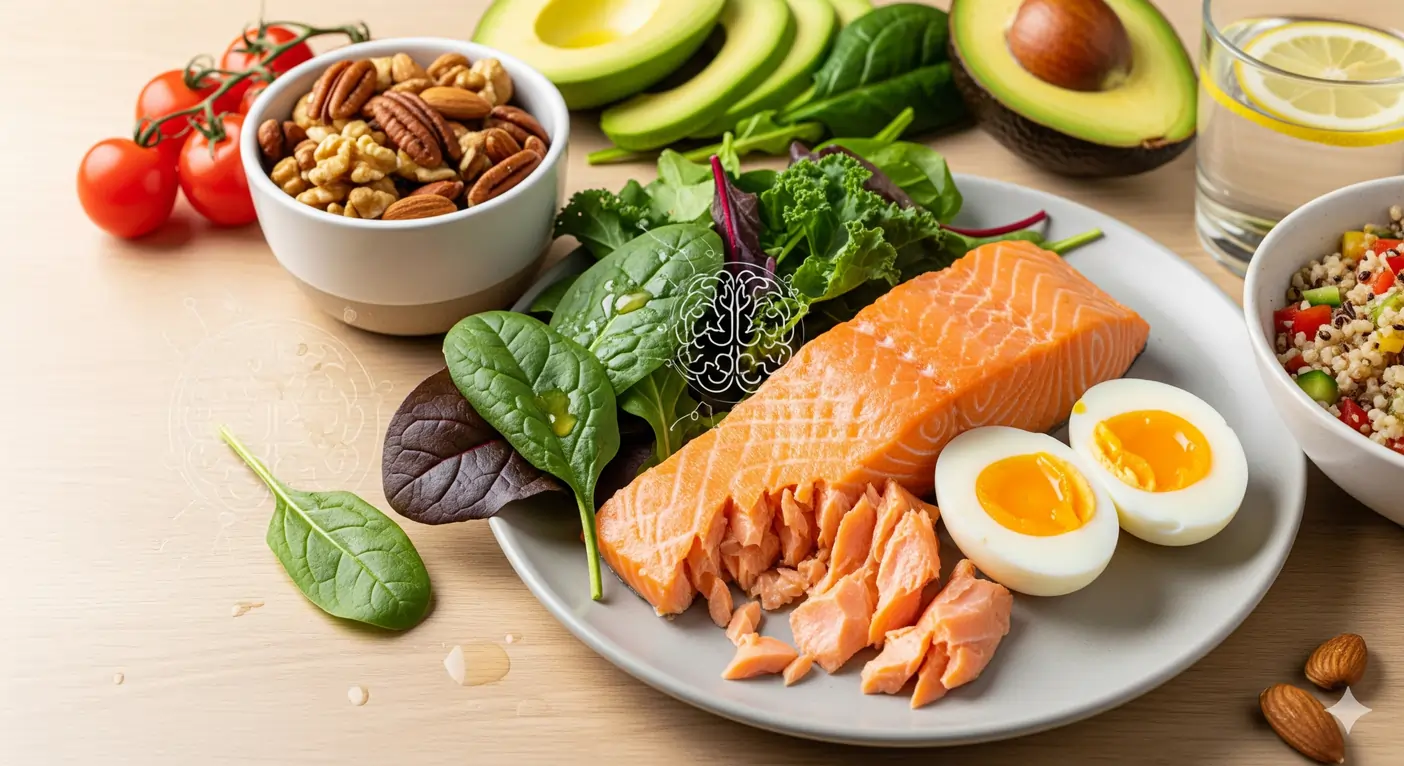
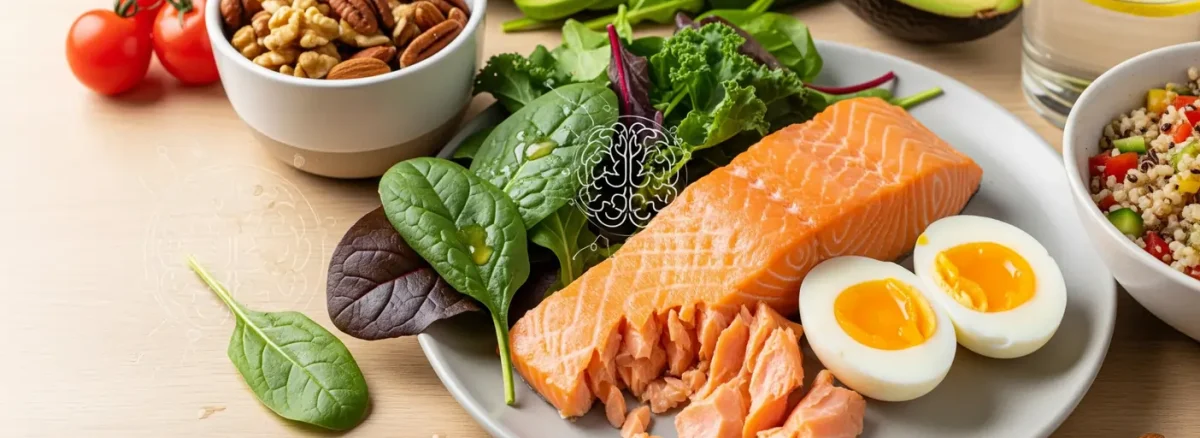
How Diet Impacts ADHD Symptoms
The brain is an energy-hungry organ, consuming about 20% of your daily calories. For people with ADHD, certain nutrients are especially important because they play key roles in:
- Neurotransmitter production (dopamine, norepinephrine, serotonin)
- Blood sugar regulation to maintain steady energy
- Brain cell communication for focus and memory
- Mood stabilization to manage irritability or anxiety
Several studies have found that nutritional deficiencies — such as low omega-3 fatty acids, iron, or zinc — may contribute to ADHD symptoms or make them worse. On the flip side, nutrient-rich diets can help improve attention, reduce hyperactivity, and support better emotional control.
Think of diet as one piece of the ADHD puzzle — alongside therapy, medication (if prescribed), and lifestyle habits like sleep and exercise.
Brain-Boosting Foods for ADHD
1. Protein-Rich Foods
Why they matter: Protein helps regulate blood sugar, keeps energy steady, and supports dopamine production — crucial for focus and motivation.
Best sources:
- Eggs (boiled, scrambled, or in omelets)
- Lean poultry like chicken and turkey
- Fish such as salmon and tuna
- Beans, lentils, and chickpeas
- Low-fat dairy (Greek yogurt, cottage cheese)
How to include them: Start the day with scrambled eggs and spinach, snack on hummus with vegetables, or have grilled chicken with a quinoa salad for lunch.
2. Omega-3 Fatty Acids
Why they matter: Omega-3s support brain cell communication and have been shown to improve attention, working memory, and even emotional regulation in people with ADHD.
Best sources:
- Salmon, mackerel, sardines
- Chia seeds and flaxseeds
- Walnuts
Pro tip: If you rarely eat fish, talk to your provider about an omega-3 supplement.
3. Complex Carbohydrates
Why they matter: Unlike refined carbs, complex carbs release glucose slowly, preventing the “sugar highs and crashes” that can make ADHD symptoms worse.
Best sources:
- Oats, brown rice, quinoa
- Sweet potatoes
- Whole wheat bread or pasta
- Vegetables and legumes
Meal idea: Quinoa bowl with roasted vegetables, chickpeas, and a light tahini dressing.
4. Iron and Zinc
Why they matter: These minerals play a role in dopamine production, which influences attention, motivation, and impulse control.
Best sources:
- Lean red meat
- Pumpkin seeds and sunflower seeds
- Spinach and kale
- Fortified cereals
Tip: Have your iron and zinc levels checked before supplementing — too much can be harmful.
5. Magnesium
Why it matters: Magnesium supports relaxation, reduces anxiety, and helps regulate sleep — all of which can improve focus the next day.
Best sources:
- Almonds, cashews
- Dark chocolate (70% cocoa or higher)
- Leafy greens
- Avocados
Foods That May Worsen ADHD Symptoms
1. Sugary Snacks and Drinks
Soda, candy, and sweet pastries cause rapid spikes in blood sugar, followed by a crash — leaving you irritable and unfocused.
2. Artificial Colors and Flavors
Some studies suggest that certain dyes (like Red 40 or Yellow 5) may worsen hyperactivity in sensitive individuals.
3. Processed and Fast Foods
High in trans fats, sodium, and preservatives, these can disrupt overall health and energy levels
Building an ADHD-Friendly Meal Plan
Morning Focus Boost
- Option 1: Omelet with spinach, mushrooms, and whole-grain toast
- Option 2: Overnight oats with chia seeds, walnuts, and blueberries
Midday Sustained Energy
- Option 1: Grilled chicken salad with quinoa, avocado, and mixed greens
- Option 2: Lentil soup with whole-grain bread
Evening Calm
- Option 1: Baked salmon with sweet potato and steamed broccoli
- Option 2: Stir-fry with tofu, brown rice, and vegetables
Practical Tips for ADHD-Friendly Eating
- Meal prep on weekends to reduce decision fatigue during busy weekdays
- Snack smart — keep nuts, fruit, and yogurt on hand instead of chips or candy
- Hydrate regularly — dehydration can mimic ADHD symptoms like fatigue and brain fog
- Pair protein with carbs to stabilize blood sugar
✅ Conclusion
Your diet is more than a side note in ADHD management — it’s a key tool for improving focus, emotional balance, and energy stability. By choosing nutrient-rich foods and minimizing processed, sugary options, you can create a daily routine that supports your brain’s unique needs.
If you’re ready to make food part of your ADHD care plan, GloFusionin Griffin, GA is here to help. Contact us today to schedule a consultation and take the first step toward a sharper, calmer, more focused you.
References
- Cooper, R. E., et al. (2015). Omega-3 polyunsaturated fatty acid supplementation for ADHD: Systematic review and meta-analysis. Journal of the American Academy of Child & Adolescent Psychiatry, 54(10), 899–906.
- Pelsser, L. M., et al. (2017). Effects of food on ADHD. The Lancet Psychiatry, 4(4), 310–322.
- National Institutes of Health – Office of Dietary Supplements. Magnesium Fact Sheet